

ATONA (“吾汝 あとな”) is a luxury hot spring ryokan brand jointly launched by Hyatt Hotels Corporation and Kiraku Co., Ltd.. The brand name comes from the classical Japanese words for “I” (吾) and “you” (汝), expressing a deep respect for the resonance between people, and between people and nature.
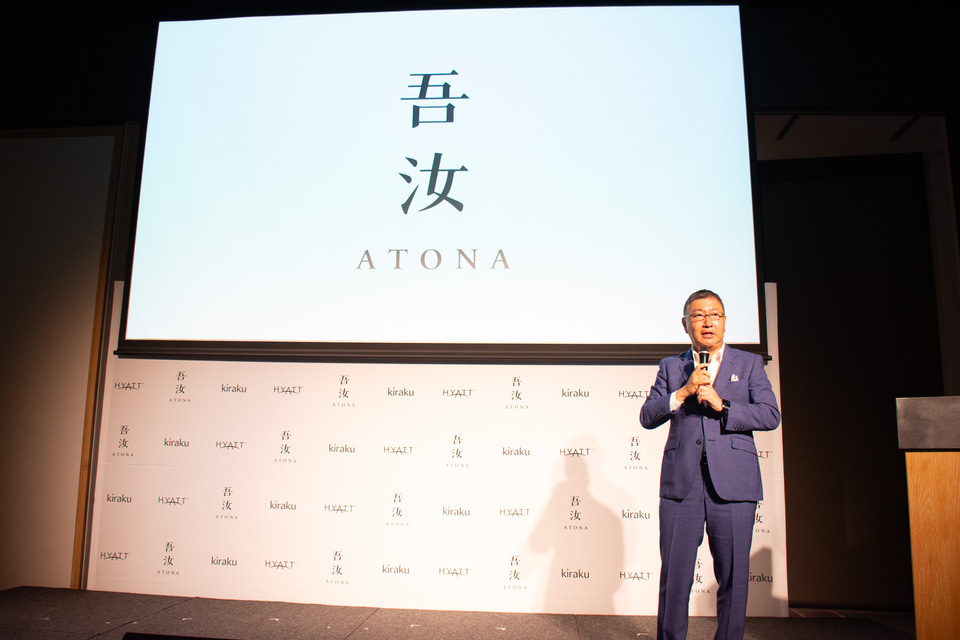
A Luxury Hot Spring Ryokan Harmonizing Tradition and Modernity
ATONA aims to reconstruct Japan’s traditional ryokan culture with a contemporary sensibility, set within hot spring regions and rich natural environments across the country.
Each property is planned as a small-scale luxury retreat with around 30 to 50 rooms per location. Architectural design is led by Kooo Architects, and Kenya Hara serves as brand director.
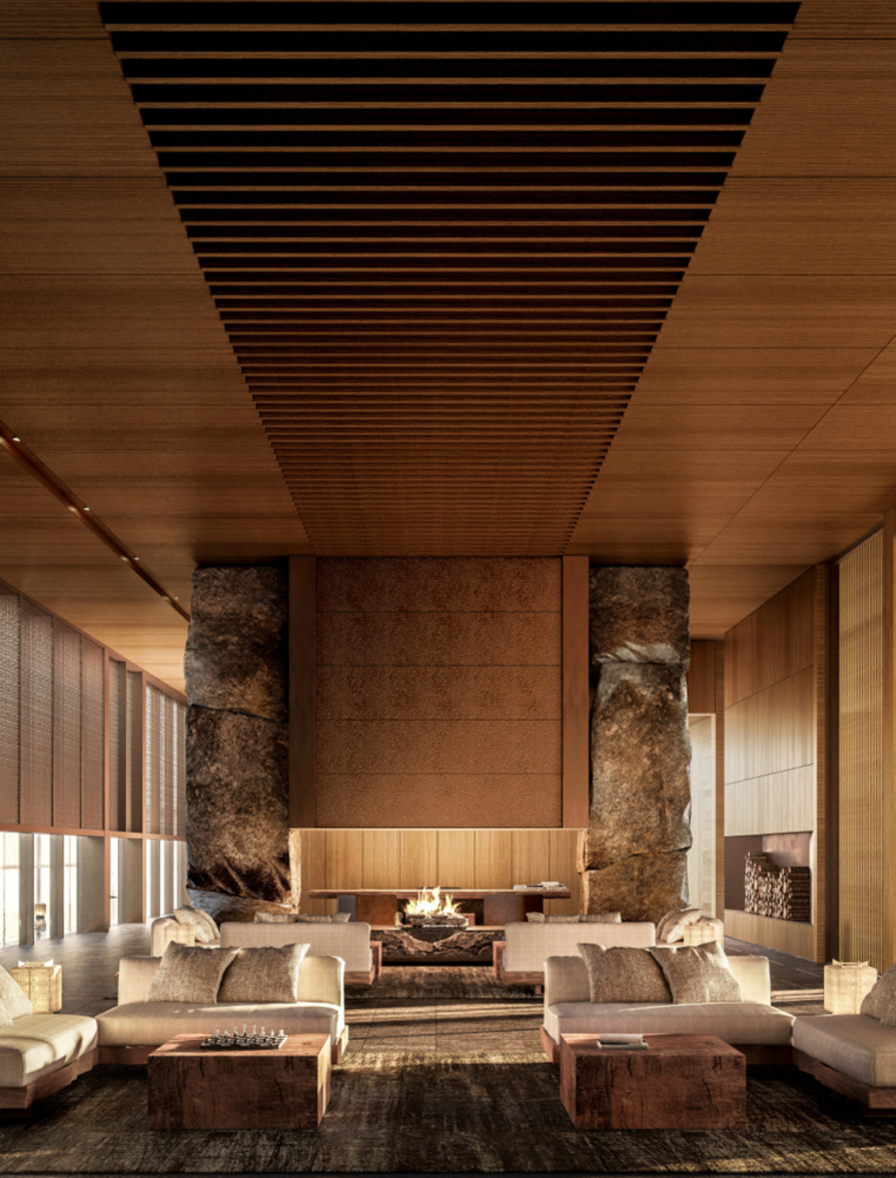
To create spaces where one can feel the land through all five senses — materials, light, sound, scent, and silence.
— Kenya Hara (Brand Director)
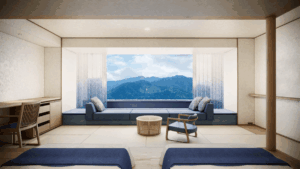
Guest rooms and bath areas are designed using materials sourced from each region, so that the stay itself becomes an experience of the local culture and nature. In a quietly composed space that avoids excessive staging, guests can spend time in harmony with the natural world around them.

“Kappo ATONA” Scheduled to Open in Kyoto’s Gion Shirakawa
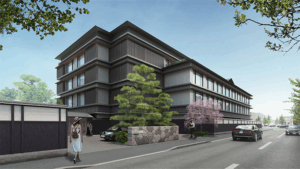
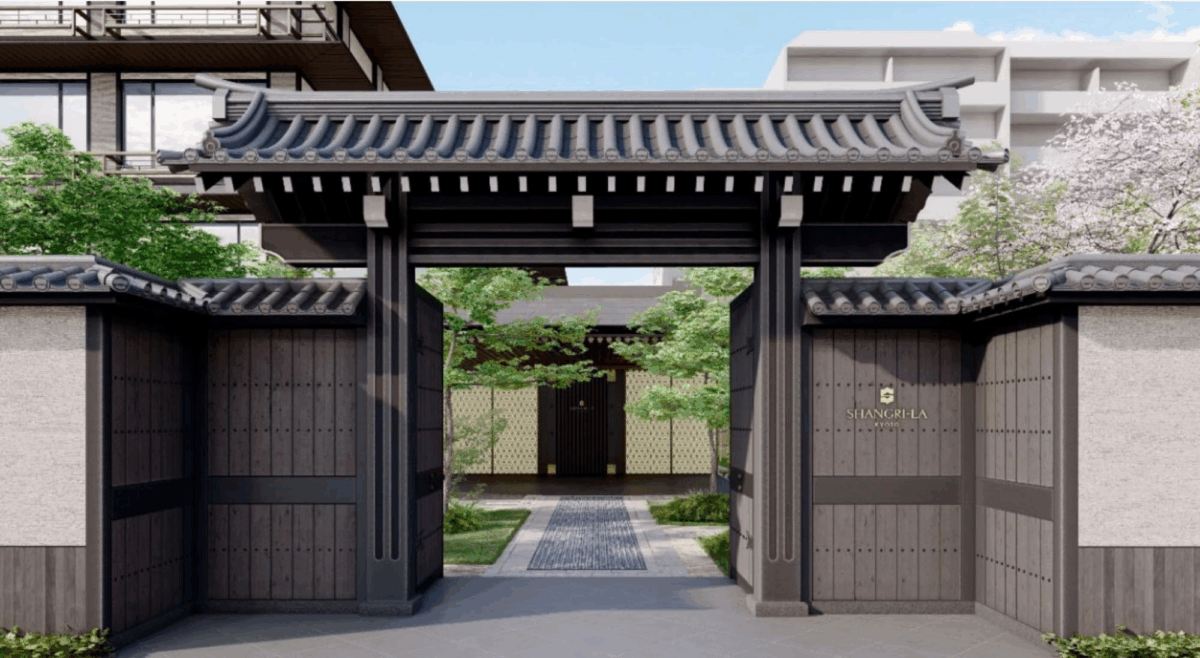
In the autumn of 2026, guests will be able to experience the world of the ATONA brand ahead of the ryokan openings at the restaurant “Kappo ATONA”, scheduled to open in Kyoto’s Gion Shirakawa district.
There, modern kappo cuisine will be served using seasonal ingredients discovered by ATONA in regions across Japan, expressing local cultures and the changing seasons on the plate.
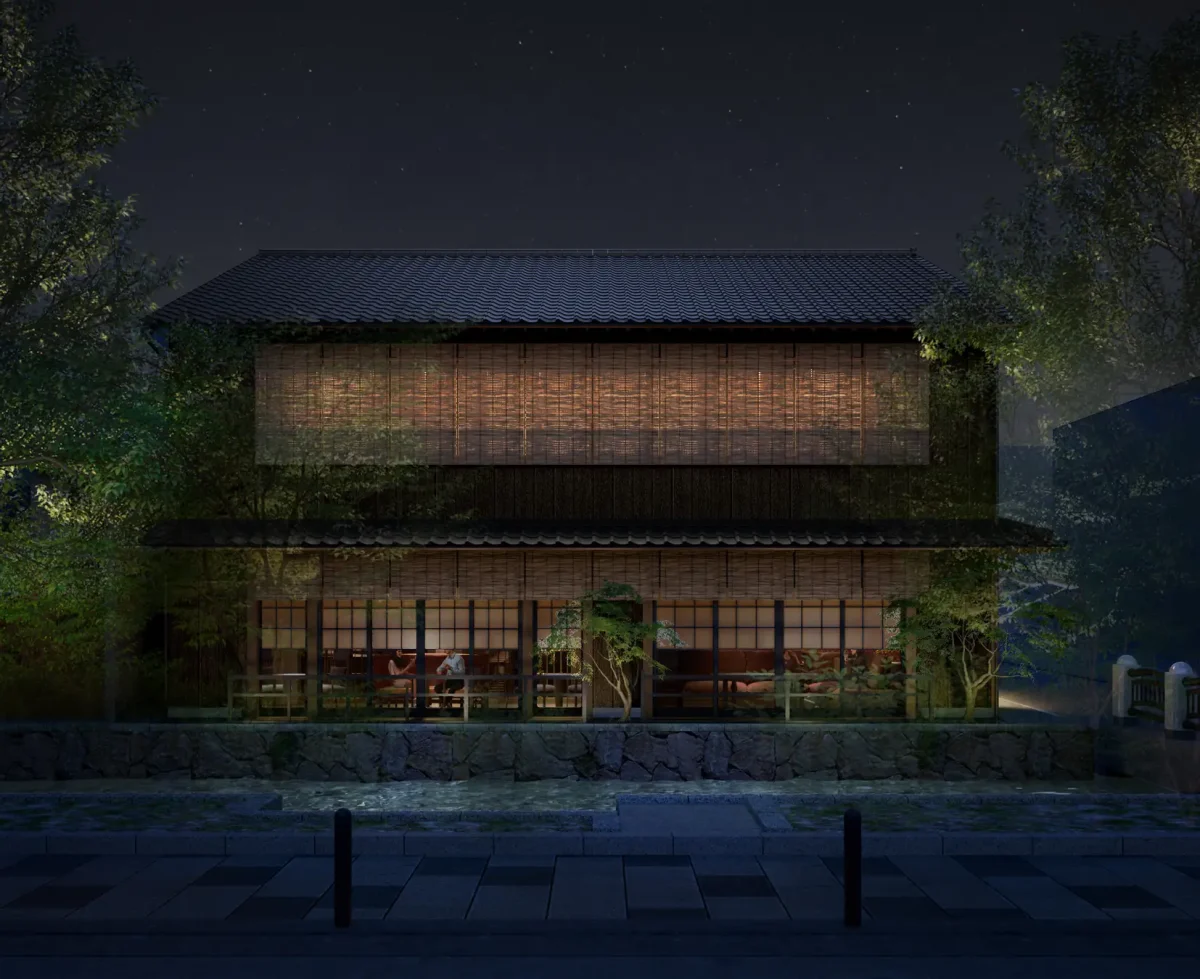
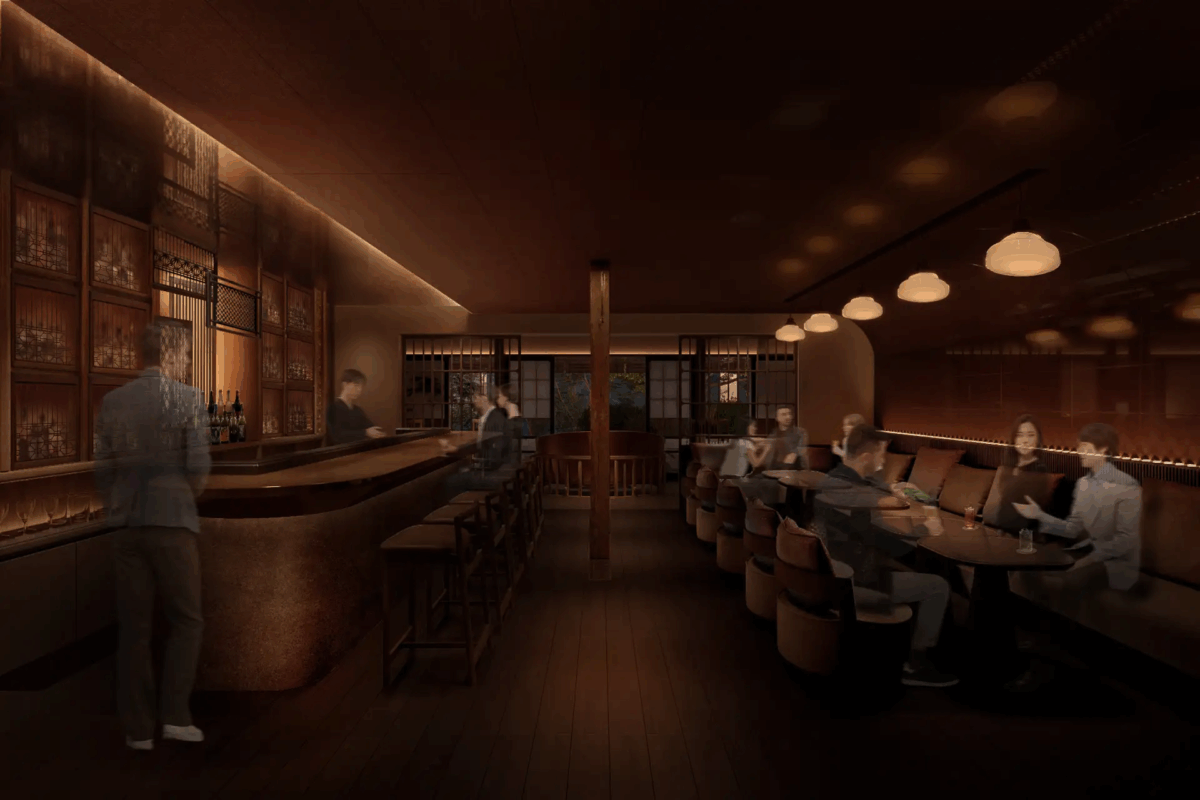
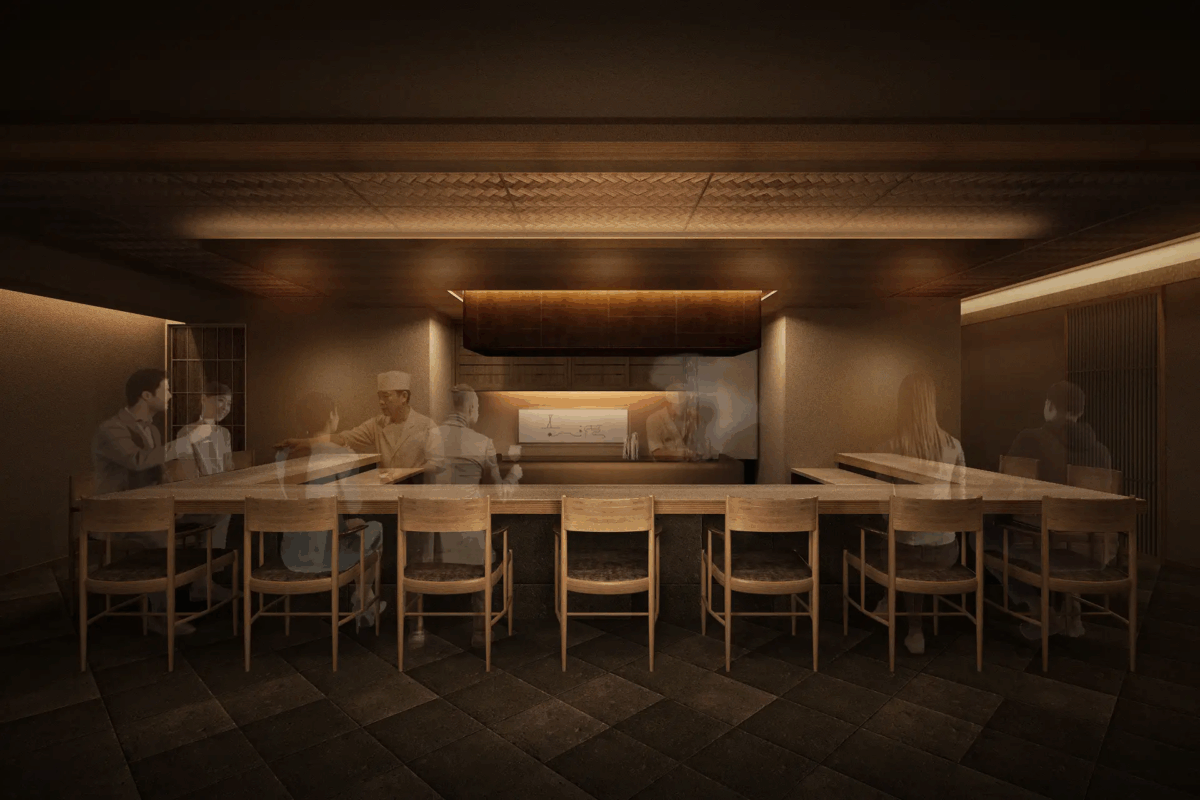
The spatial design is handled by NOMURA Co., Ltd. A.N.D.’s Ryu Kosaka and Yushi Tanaka, with art direction by Kenya Hara.
Kappo dining will be located on the second floor, with a bar on the first floor centered around Japanese sake and other Japanese spirits. The venue is envisioned as a place where guests can relax and feel the atmosphere of Japan’s landscapes.
Hot Spring Ryokan Locations and Opening Plan
As a hot spring ryokan brand, “ATONA” properties are scheduled to open sequentially from 2028 onward.
In addition to the first-phase locations already announced — Yufu (Oita), Yakushima (Kagoshima), and Hakone (Kanagawa), Kuju (Oita) and Yoichi (Hokkaido) have been newly added as candidate development sites.
| Region | Prefecture | Key Feature |
|---|---|---|
| Yufu | Oita | A fusion of Yufuin’s hot spring culture and architectural beauty |
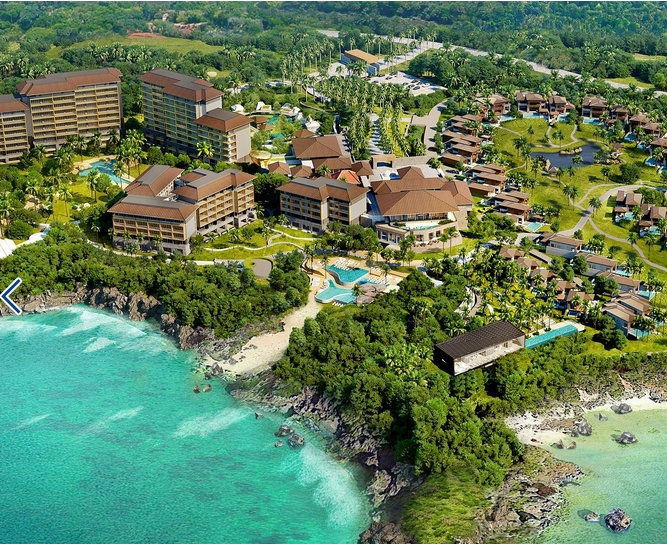
| Yakushima | Kagoshima | Design that lives in harmony with the forests of a World Natural Heritage island |
| Hakone | Kanagawa | Experiencing harmony with nature close to a major metropolitan area |
| Kuju | Oita | Vast landscapes and volcanic blessings of Aso-Kuju National Park |
| Yoichi | Hokkaido | A landscape where sea and vineyards intertwine with hot spring culture |
Each property features a design that respects local natural resources. Plans include kaiseki-style meals using local ingredients and activities that allow guests to experience regional culture. With hot springs and cuisine as two complementary pillars, the brand seeks to fully draw out the appeal of each destination.
Weaving the Future Together with Local Communities
ATONA’s philosophy is not merely to build places to stay, but to “carry the landscapes of each region into the future.”
By collaborating with local craftspeople, utilizing traditional materials, and incorporating local ingredients, the brand aims to foster a circular model of regional economy and culture.
The collaboration between Hyatt and Kiraku brings together international expertise in hotel operations with locally rooted development capabilities.
As a brand that proposes new value for inbound tourism, ATONA is attracting growing attention both in Japan and overseas.
Conclusion
“ATONA” is a brand that reinterprets the spirit of Japanese hospitality for today through two pillars: hot spring ryokan and kappo dining.
Nature, architecture, cuisine, and culture are brought into balance so that the journey itself becomes an “experience.”
From this starting point, a new form of Japanese luxury — one that discovers richness in tranquility — begins.
References: Official ATONA-Related Releases
- Hyatt Newsroom|Hyatt and Kiraku Announce Plans for New Luxury Hot Spring Ryokan Brand “ATONA”
- Kiraku|Hyatt’s First Luxury Hot Spring Ryokan Brand “ATONA” Aims to Open in Yufu, Yakushima, and Hakone from 2026 Onward
- PR TIMES|Real Estate Fund Dedicated to “ATONA” Closes at 22 Billion Yen
- PR TIMES|“Kappo ATONA” to Open in Kyoto’s Gion Shirakawa in Autumn 2026; Kuju and Yoichi Added as Planned Locations